







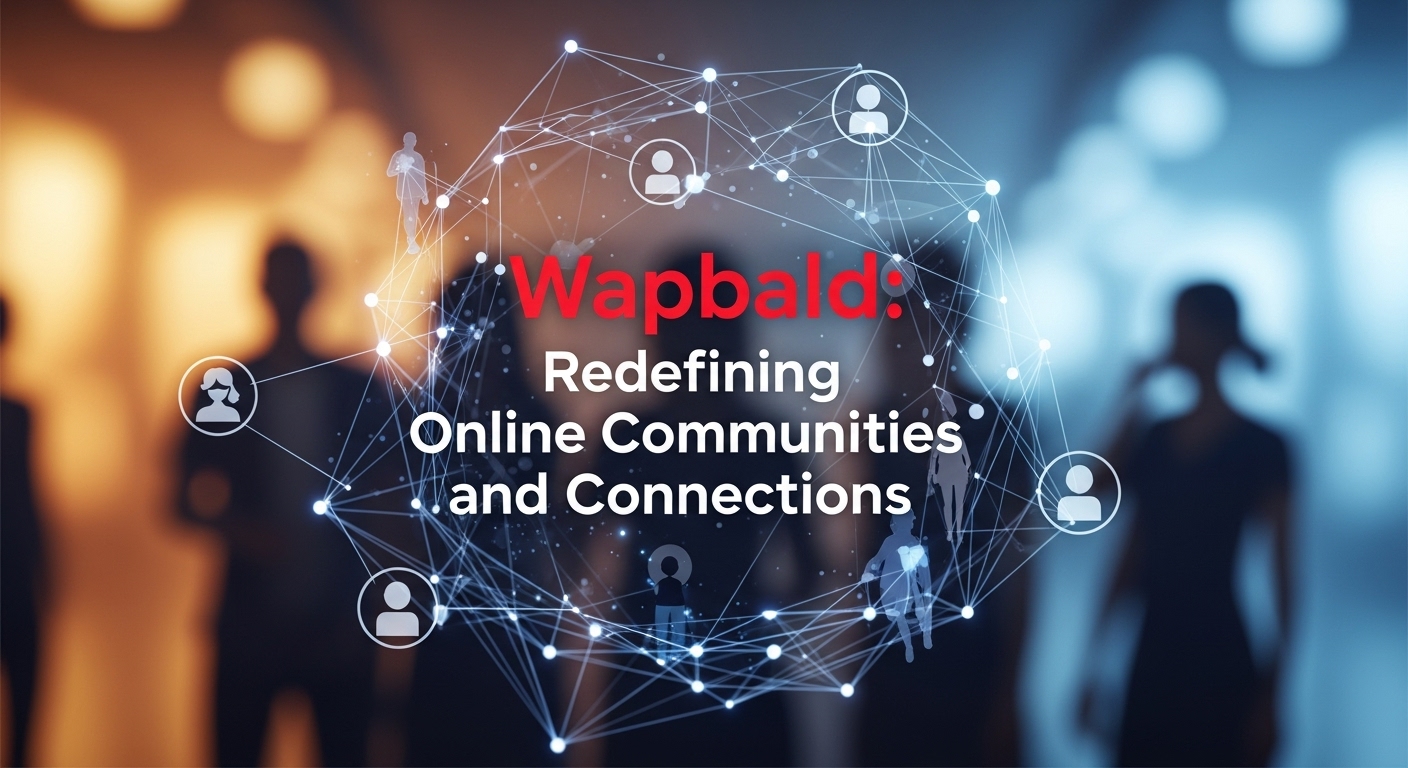
In the ever-evolving digital world, Wapbald has emerged as a concept that reflects how modern online communities are formed, maintained, and strengthened. As digital interactions increasingly replace physical ones, platforms and ideas that encourage authentic engagement have gained immense relevance. This article explores how Wapbald represents a shift in online connections, focusing on trust, shared identity, and meaningful interaction rather than surface-level engagement. By examining its structure, influence, and future potential, this discussion highlights why Wapbald is becoming a noteworthy term in the digital ecosystem.
Understanding the Concept of Wapbald in Digital Culture
The idea of Wapbald is rooted in the transformation of online communities from simple discussion spaces into dynamic social ecosystems. Unlike traditional platforms that prioritize visibility metrics, this concept emphasizes participation quality, emotional connection, and long-term value creation. Digital culture today is shaped by users who seek spaces that feel genuine, inclusive, and responsive to their evolving needs.
At its core, Wapbald reflects a shift away from transactional interactions. Users are no longer satisfied with one-way communication or content consumption alone. Instead, they gravitate toward environments where dialogue, collaboration, and shared experiences play a central role. This evolution has influenced how digital platforms design their interfaces, moderation systems, and community guidelines.
The growth of remote work, online learning, and virtual socialization has further accelerated this shift. Communities inspired by this concept often prioritize ethical behavior, mutual respect, and transparency. These values help build trust, which is a critical factor in sustaining long-term digital engagement.
Digital anthropologists have observed that such community-driven models often mirror real-world social structures. Members form micro-groups, develop shared norms, and create collective identities. This human-centric approach differentiates modern digital communities from earlier internet forums that focused mainly on information exchange.
Wapbald and the Evolution of Online Identity
The relationship between Wapbald and online identity is deeply intertwined. In contemporary digital spaces, identity is no longer static or limited to usernames and profile pictures. Instead, it is shaped by interaction history, contribution quality, and community recognition.
Online identity formation under this framework allows individuals to express themselves authentically. Users feel encouraged to share ideas, stories, and experiences without the pressure of constant performance. This creates an environment where trust develops naturally, and members feel a sense of belonging.
To better understand how identity evolves within such communities, the following table illustrates key differences between traditional online platforms and community-focused digital environments.
| Aspect of Online Identity | Traditional Platforms | Community-Focused Environments |
|---|---|---|
| User Expression | Often curated and metric-driven | More authentic and narrative-based |
| Recognition | Based on likes and views | Based on contribution value |
| Engagement Style | Short-term interactions | Long-term participation |
| Sense of Belonging | Limited and fragmented | Strong and sustained |
This comparison highlights how identity within these communities is built through meaningful participation rather than algorithmic validation. Such environments empower users to develop a consistent digital presence aligned with their values.
Wapbald as a Framework for Sustainable Online Communities
The sustainability of online communities has become a pressing concern in recent years. Many platforms experience rapid growth followed by user fatigue and decline. Wapbald addresses this challenge by emphasizing community resilience and adaptability.
Sustainable digital communities are characterized by balanced growth, clear communication norms, and responsive governance. Moderation is not solely about enforcing rules but about nurturing dialogue and resolving conflicts constructively. This approach reduces toxicity and encourages respectful discourse.
Another important factor is content longevity. Instead of prioritizing viral trends, community-oriented platforms encourage content that remains relevant over time. Discussions, resources, and shared knowledge accumulate, creating a valuable archive for both new and existing members.
The table below demonstrates how sustainability indicators differ between short-lived platforms and resilient online communities.
| Sustainability Indicator | Short-Lived Platforms | Resilient Communities |
|---|---|---|
| User Retention | Low after initial growth | High due to engagement depth |
| Content Lifespan | Brief and trend-driven | Long-term and reference-based |
| Governance Style | Centralized and rigid | Collaborative and adaptive |
| Community Trust | Fragile | Strong and enduring |
These characteristics show that sustainable communities are built through intentional design and continuous engagement rather than rapid expansion alone.
Wapbald and the Role of Technology in Human Connection
Technology plays a vital role in shaping how Wapbald-inspired communities function. However, the emphasis is not on technological complexity but on purposeful design. Tools are developed to support communication, collaboration, and inclusivity rather than distraction.
Features such as customizable discussion spaces, transparent moderation logs, and user-driven initiatives contribute to a sense of shared ownership. When users feel that their voices matter, they are more likely to invest time and effort into the community.
Artificial intelligence and data analytics also support these environments by identifying engagement patterns and potential issues before they escalate. Importantly, these technologies are used ethically, with respect for user privacy and autonomy.
The integration of technology and human values creates a balanced ecosystem. Instead of replacing human interaction, technology enhances it by removing barriers and facilitating meaningful connections.
Wapbald and Its Impact on Digital Relationships
Digital relationships formed within the context of Wapbald tend to be more durable and emotionally resonant. Unlike casual interactions on mainstream social media, these relationships are often built around shared interests, goals, or experiences.
Trust is a foundational element in these connections. It develops through consistent interaction, mutual support, and transparent communication. Over time, users may collaborate on projects, exchange expertise, or provide emotional encouragement.
Such relationships also transcend geographical boundaries. Individuals from different cultures and backgrounds come together, broadening perspectives and fostering empathy. This global interconnectedness contributes to a richer and more diverse community experience.
The depth of these relationships challenges the notion that online connections are inherently superficial. Instead, they demonstrate that digital spaces can support meaningful human bonds when designed with intention.
Wapbald and the Future of Online Engagement
Looking ahead, Wapbald represents a broader movement toward intentional digital living. As users become more aware of the impact of online environments on mental health and social well-being, demand for healthier community models is likely to grow.
Future platforms may adopt hybrid approaches that combine scalability with intimacy. Smaller sub-communities within larger networks allow users to maintain close connections while still benefiting from diverse perspectives.
Education, professional development, and creative collaboration are areas where this approach is particularly promising. Communities centered on learning and innovation thrive when members feel supported and valued.
The long-term success of such models depends on continuous adaptation. As technology and user expectations evolve, communities must remain flexible while staying true to their core values.
Cultural and Social Implications of Wapbald
The influence of Wapbald extends beyond digital platforms into broader cultural and social contexts. It reflects a growing desire for authenticity in an increasingly mediated world. People seek spaces where they can engage without excessive commercialization or performative pressure.
This shift has implications for how brands, educators, and organizations approach online engagement. Rather than focusing solely on visibility, they must prioritize relationship building and community trust.
Social movements and advocacy groups also benefit from community-oriented frameworks. By fostering dialogue and collective action, these spaces empower individuals to contribute meaningfully to shared causes.
The cultural significance of this approach lies in its ability to humanize digital interaction. It reminds users that behind every screen is a person with emotions, experiences, and aspirations.
Measuring the Success of Wapbald-Inspired Communities
Success in Wapbald-influenced environments is measured differently from traditional platforms. Metrics such as active participation, member satisfaction, and knowledge sharing take precedence over raw traffic numbers.
Community feedback plays a crucial role in evaluating effectiveness. Regular discussions, surveys, and open forums allow members to voice concerns and suggest improvements. This participatory approach strengthens trust and accountability.
The following table outlines alternative success indicators used in community-driven digital spaces.
| Success Indicator | Description |
|---|---|
| Engagement Depth | Frequency and quality of interactions |
| Member Retention | Long-term participation rates |
| Collaborative Output | Projects and shared initiatives |
| Community Well-Being | Perceived safety and inclusivity |
These indicators provide a more holistic understanding of community health and impact.
Conclusion: Why Wapbald Matters in the Digital Age
In a time when digital fatigue and superficial engagement are common, Wapbald offers a compelling alternative. It emphasizes connection over consumption, participation over performance, and trust over metrics. By redefining how online communities are built and sustained, this concept addresses many of the challenges facing modern digital interaction.
As more users seek meaningful online experiences, community-focused frameworks are likely to gain prominence. Whether in social spaces, professional networks, or learning environments, the principles explored in this article highlight a path toward healthier and more fulfilling digital connections.
Ultimately, the relevance of this approach lies in its humanity. By centering people rather than algorithms, it reminds us that the true value of online communities lies in the relationships they nurture and the shared experiences they create.