









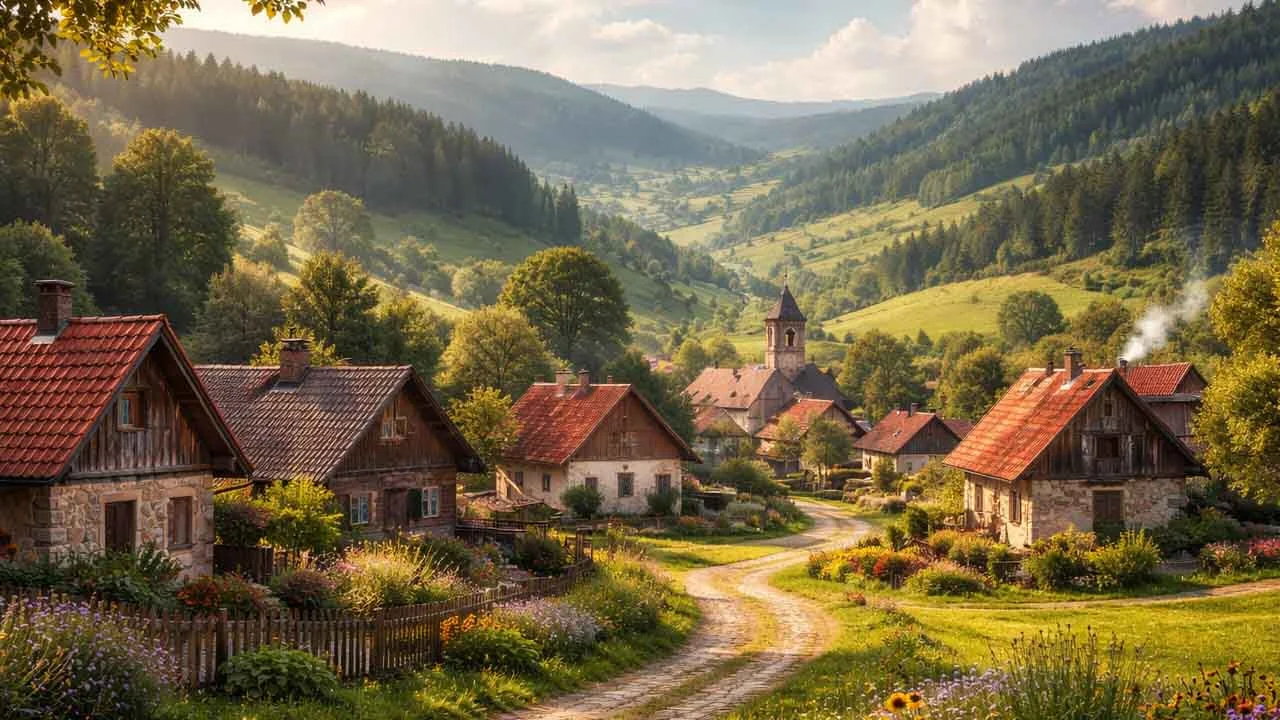
The word “sodžiu” (derived from the Lithuanian sodžius) refers to a traditional rural village or homestead, but its meaning goes far beyond geography. Sodžiu represents a lifestyle, a worldview, and a cultural foundation shaped by centuries of close interaction between people and nature. It embodies values such as community, tradition, self-sufficiency, and respect for the land. Even today, when modern life is dominated by cities and technology, the idea of sodžiu continues to hold emotional and cultural significance.
Origins and Meaning of Sodžiu
Historically, sodžiu described a small rural settlement where families lived and worked the land together. These villages were often isolated, developing their own customs, dialects, and social structures. The word itself is deeply connected to agriculture and settlement, reflecting humanity’s early need to establish permanent homes near fertile land.
In Lithuanian culture, sodžiu is not merely a physical place but a symbol of roots and identity. Saying someone is “from the sodžiu” often implies a connection to tradition, simplicity, and authenticity. The term carries both historical weight and emotional resonance.
The Physical Structure of a Sodžiu
A traditional sodžiu was carefully organized to support everyday life. Houses were usually wooden, built from locally sourced materials, and designed to withstand harsh winters and changing seasons. Alongside the main house were barns, granaries, saunas, and storage buildings, each serving a specific purpose.
Fields surrounded the homestead, growing crops such as rye, barley, potatoes, and flax. Gardens provided vegetables and medicinal herbs, while nearby forests supplied firewood, berries, and mushrooms. Everything in the sodžiu had a function, reflecting a lifestyle based on practicality and sustainability.
Life Shaped by Nature
Life in the sodžiu followed the rhythm of nature. The changing seasons dictated work, rest, and celebration. Spring meant plowing and planting, summer brought long days of labor, autumn focused on harvest and preparation, and winter allowed time for rest, storytelling, and crafts.
People living in sodžiu developed a deep understanding of weather patterns, soil conditions, and animal behavior. This knowledge was passed down orally from generation to generation. Nature was not seen as something to control but something to respect and cooperate with, forming a balanced relationship that ensured survival.
Family and Community Bonds
Family was the core of sodžiu life. Multiple generations often lived under one roof or within the same homestead, sharing responsibilities and knowledge. Elders played an important role as teachers and storytellers, while children learned by observing and helping with daily tasks.
Community ties were equally important. Neighbors supported one another during difficult times, such as illness or poor harvests. Collective work—like harvesting, building, or seasonal preparations—strengthened social bonds. This sense of mutual dependence created trust and unity, values that are often missed in modern society.
Traditions, Rituals, and Folklore
The sodžiu was a living center of cultural tradition. Folk songs, dances, and stories were an essential part of everyday life, not just entertainment. These traditions preserved history, moral lessons, and collective memory.
Seasonal festivals played a major role, especially those connected to agriculture and nature. Midsummer celebrations, harvest feasts, and religious holidays brought communities together. Rituals often combined pagan beliefs with later Christian influences, reflecting the layered history of the region. Crafts such as weaving, woodcarving, and pottery were also practiced, passing both skills and artistic expression through generations.
Economic Life and Self-Sufficiency
Sodžiu life was largely self-sufficient. Families produced most of what they needed, including food, clothing, and tools. Trade existed but was limited, making independence a key survival skill. This self-reliance fostered creativity and resilience, as people learned to adapt to scarcity and change.
Agriculture was the main economic activity, but additional skills like beekeeping, fishing, and animal husbandry were common. This diversified way of living reduced risk and strengthened the household economy.
Decline and Transformation
With industrialization and urbanization, traditional sodžiai began to change. Many young people moved to cities in search of education and employment, leaving rural areas sparsely populated. Modern farming methods replaced traditional practices, and community structures weakened.
However, sodžiu did not disappear entirely. Some villages adapted, blending modern conveniences with traditional lifestyles. Others became symbols of heritage, preserved through museums, tourism, and cultural initiatives. The transformation of sodžiu reflects broader social and economic shifts, but its essence remains alive.
Sodžiu in Modern Society
Today, sodžiu often represents nostalgia and a longing for simplicity. For many, it symbolizes peace, authenticity, and a slower pace of life. People return to rural homesteads seeking connection with nature and relief from urban stress.
In literature, art, and music, sodžiu continues to inspire creators. It is frequently portrayed as a place of moral clarity and emotional grounding. Even those who have never lived in a sodžiu may feel a connection to it as part of their cultural heritage.
Conclusion
Sodžiu is far more than a rural settlement—it is a symbol of identity, tradition, and harmony with nature. Rooted in history but relevant today, it reminds people of the values that shaped earlier generations: community, respect for the land, and resilience. As modern life grows increasingly complex, the concept of sodžiu continues to offer inspiration, serving as a bridge between the past and the future.