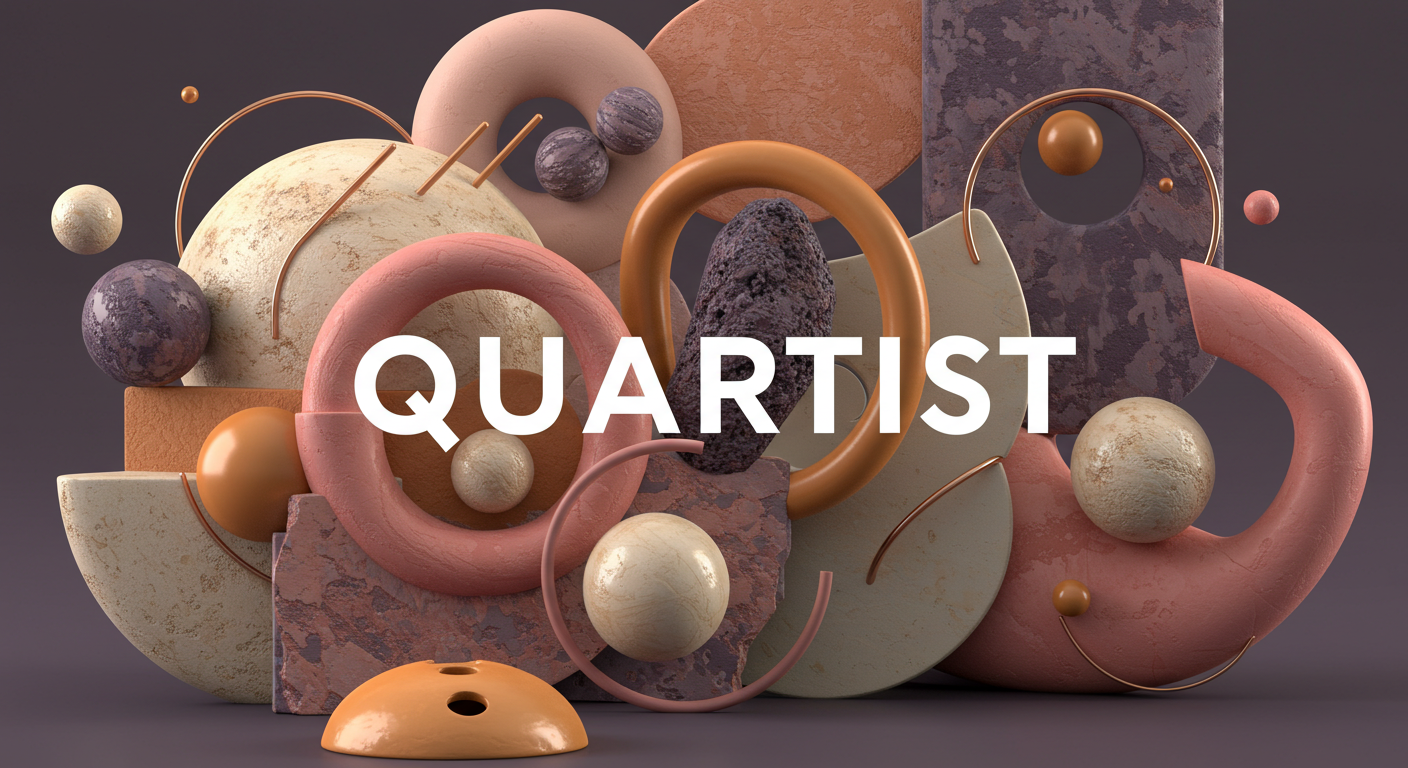







n a world where creative work, technology, and identity continuously evolve, new terms emerge to capture modern realities. One such word gaining attention is “Quartist.” Although not yet part of formal dictionaries, the term reflects a growing trend among creators, thinkers, and innovators seeking to express a multidimensional approach to creativity and professional identity.
As traditional labels like “artist,” “designer,” or “creative professional” become too narrow, Quartist offers a fresh way to describe individuals who integrate multiple disciplines, technologies, and perspectives into a coherent creative identity. This article explores what a Quartist is, where the idea came from, how the term is being used today, and why it matters in the modern creative landscape.
What Does Quartist Mean? A Flexible, Modern Label
At a basic level, Quartist is a coined term blending roots like “quart‑” (often linked to four) with “artist,” suggesting involvement with multiple creative or intellectual domains.
Different sources describe the term in varied ways:
-
Some use it to define creators who actively work across four key creative dimensions such as visual art, music, narrative, and technology.
-
Others treat it as a flexible identity label for anyone whose work defies traditional categories and spans multiple mediums.
-
Still others describe Quartists as individuals who combine technology‑driven creativity, innovation, and hybrid expression in futuristic ways.
Because the term isn’t standardized — and may have multiple valid interpretations — its meaning is shaped by context, creative community, or personal branding needs.
Origins: Where Did the Term Come From?
Unlike historical art‑movement names, there’s no single founder or manifesto for “Quartist.” The term appears to have grown organically in digital culture and creative communities rather than emerging from academia or formal art history.
The use of “quart‑” likely draws on classical roots related to the number “four” — reminding us of structure, balance, and multiple dimensions — and the “‑ist” suffix signals someone practicing or advocating a particular approach.
However, the lack of a clear origin story doesn’t diminish its cultural relevance. Instead, it reflects how new words spread globally through online forums, personal websites, and creative platforms before being recognized by mainstream institutions.
Core Interpretations: What People Mean by Quartist
Since there’s no universally accepted definition, several interpretations of Quartist coexist — each highlighting a different aspect of multidimensional creative identity:
1. The Four‑Discipline Creator
One common interpretation sees a Quartist as someone deliberately working across four distinct creative fields. These might include:
-
Visual arts (e.g., illustration, photography)
-
Music and sound design
-
Narrative or storytelling
-
Digital or technical design
In this sense, the word reflects a structured approach — balancing depth and breadth across four areas rather than scattering attention across many unrelated skills.
2. A Flexible Creative Identity
Another view treats Quartist as a fluid label that doesn’t require strict adherence to any set number of disciplines. Here, the term simply conveys multidisciplinary expression — ideal for anyone blending several creative tools, digital platforms, or artistic practices.
3. Tech‑Driven, Futuristic Creative
In some digital and tech communities, Quartist takes on a more futuristic meaning — linking creativity with emerging technologies like AI, 3D modeling, interactive design, and digital experiences.
This interpretation emphasizes how technologically informed creators are not just making art — they’re exploring new forms of creative expression that respond to evolving digital landscapes.
Characteristics That Define a Quartist
Despite the varied interpretations, common traits often associated with Quartists include:
• Multidisciplinary Fluency
Quartists are comfortable working across multiple fields of creation — whether combining visual design with sound, narrative with interactive tech, or traditional craft with digital media.
• Creative Adaptability
They embrace change, experimentation, and hybrid workflows that don’t fit neatly into traditional categories.
• Integration of Technology and Tradition
Many Quartists blend emerging tech (like generative tools or VR/AR) with traditional artistic sensibilities, creating work that is both innovative and expressive.
• Expressive Identity and Personal Branding
For many creators, the term functions as a marker of identity — signaling originality, versatility, and forward‑thinking practice in a crowded digital space.
Quartist in Practice: Real‑World Examples
Although still niche, the idea of Quartist appears in various real‑world creative contexts:
Digital Media and Portfolio Work
Many digital creators — such as animators, interactive designers, VR storytellers, or multimedia producers — embody Quartist qualities by blending storytelling, visuals, sound, and technology into unique, layered projects.
Branding and Personal Identity
Some creators adopt “Quartist” as a brand or identity label — using it on portfolios, social profiles, and personal websites to highlight their eclectic mix of creative skills.
Community and Collaborative Projects
In collaborative creative communities, the term can reflect shared values around innovation, experimentation, and interdisciplinary engagement rather than just individual skill sets.
Why Quartist Matters Today
So why is this concept gaining traction? Several cultural and technological trends help explain its appeal:
1. The Rise of Multidisciplinary Creativity
Modern creators rarely limit themselves to one medium. Today’s workflows involve writing, visual design, sound, interactivity, and technology — all intertwined. Quartist acknowledges this shift.
2. Digital Tools and New Platforms
With powerful tools like AI art generators, 3D software, and interactive engines, creatives can explore previously inaccessible domains — making multidisciplinary practice more attainable and visible.
3. Personal Branding in Digital Culture
In an online world crowded with creators, having a unique identity matters. “Quartist” offers an original, memorable label that communicates depth and innovation without needing lengthy explanation.
4. Complex Problems Require Complex Creators
Artistic, technological, and social challenges today are interconnected. Creators who can move across domains are often best positioned to engage with these complex issues.
Challenges and Considerations
Despite its promise, the Quartist concept also faces limitations:
-
Lack of Standard Definition: Without formal consensus, people mean different things by the term, which can cause confusion.
-
Limited Institutional Recognition: Traditional art institutions and professional frameworks don’t yet adopt the term widely.
-
Identity Clarity: Some creators worry that “Quartist” might be too broad or ambiguous without clear boundaries.
These issues point to the fact that the term is still evolving, not settled in mainstream creative discourse.
The Future of Quartist: Evolution or Passing Trend?
Will “Quartist” become a widely recognized creative category? Only time will tell. Words like “influencer,” “digital nomad,” or “content creator” once lacked formal definitions but later became mainstream.
The future possibilities include:
-
A recognized category in creative industries
-
A tight‑knit community of interdisciplinary innovators
-
Integration into educational programs focusing on hybrid creativity
-
A label for tech‑driven artistic movements
Whether the term becomes standard or remains niche, it captures an important cultural shift toward integrated, flexible, and technologically informed creativity.
Conclusion: Quartist as a Reflection of Modern Creativity
In an age where digital innovation, artistic fluidity, and hybrid identities dominate, the Quartist concept offers a meaningful way to describe multidimensional creators. While still new and evolving, the term resonates with a generation of makers who refuse to be confined by traditional labels.
As creativity continues to merge with technology, community, and personal expression, “Quartist” embodies the idea that art today is not just skill or output it’s integration, interaction, and imaginative innovation across dimensions.